
Under 13,000 RUB
Every VITON13 SCHOOL course costs less than 13,000 RUB. The exact price is shown before a course is added to the bag.
Education reinvented.
Applied artificial intelligence, design and search as one working system.
A school where learning does not end with a certificate but with a system you own: your own prompts, your own visual language, and a site that search can actually find.
Access to the models is no longer the problem — everyone has it. The problem is that almost nobody turns that access into a repeatable result. One good answer is luck. A method that returns the same quality on the tenth attempt is a skill.
VITON13 SCHOOL is built around one idea: a skill counts as learned only when it leaves an artefact behind. Not lecture notes, but a working prompt library. Not inspiration, but a brand system. Not a list of recommendations, but a site that gets indexed.
We do not promise speed, ease or guaranteed numbers. We are accountable for the method: break the task down, assemble the system, verify the result, record it, and repeat it without us.
AI, design and search are taught as connected disciplines. What you frame in the first programme you visualise in the second and make discoverable in the third.
VITON13 SCHOOL is where the ecosystem turns its own working practice into teachable method. It exists to convert information into judgement, systems and work that can be shown.
A prompt system, a visual language and a site architecture are three views of the same decision. Taught apart they stay hobbies; taught together they become a working method.
Every assignment passes through a check: the source, the fact, the repeatability. The model proposes — you verify, and you are the one accountable for the result.
You leave each direction holding something of your own: a prompt library with versions, a visual system with rules, a technical map of your site.
A clear price ceiling, real practice and a project of your own — the three commitments behind every programme.
Every VITON13 SCHOOL course costs less than 13,000 RUB. The exact price is shown before a course is added to the bag.
Practice runs through the programme and continues after it, including a final applied assignment with feedback.
Every learner builds a project connected to the course. We help define it, assemble it and bring it to a result you can show.
VITON13 SCHOOL is where the ecosystem turns its own working practice into teachable method. It exists to convert information into judgement, systems and work that can be shown.
Leave a contact if you are not ready to buy. No payment, no obligation and no unrelated newsletter.
Choose the programme that matches your task, or let the AI Course Planner recommend a starting point. Every course includes practice and your own project.
Drag, scroll or use the arrow keys
The core programme of the school
The broadest and the deepest programme at once: how to work with artificial intelligence deliberately — from framing the task, through prompting and verification, to automating your own processes, building agents and assembling a system that is yours.
Applied visual programme
How to stop collecting accidental pretty images and start producing a controlled visual result — from concept and art direction to a brand system, interfaces and the rights question nobody wants to open.
Applied search programme
How to make a site legible to search engines and to people at the same time: the technical base, search intent, semantics, architecture, and a content system that can actually be maintained.
The official course prices are shown now. Dates, format and the final scope are confirmed with each learner before payment.
How a model actually behaves, what it can do and where it breaks. Task, context, constraints — and why most bad answers are bad questions.
Roles, templates, chains, acceptance criteria and versioning. Turning a lucky answer into a repeatable procedure.
Searching, comparing sources, filtering out hallucination, and recording what survived the check.
Taking routine apart, choosing the points worth automating, and assembling scenarios that keep running without you.
Tools, memory, steps, control and stopping conditions. Where an agent earns its place and where it does damage.
Connecting prompts, data and processes into one personal system instead of a folder of clever tricks.
Data, confidentiality, copyright and the honest limits of applying AI to someone else's work.
From a task to an image: references, constraints and the criteria a result has to meet.
Holding one tone, one light and one material across a series instead of a single frame.
Controlling frame, style and detail. Iteration as a procedure rather than a lottery.
Templates, variables, series and the repeatability that makes a visual language possible.
The logic of an identity: typography, colour, grid, and the rules that keep it intact.
How a visual system becomes screens and stays readable under real content.
Critique, choice, retouching and taking an image to production quality.
Copyright, licences and disclosing the use of AI honestly to a client and an audience.
Speed, rendering, response codes, robots, sitemap and canonical addresses.
What a person is actually looking for, and which page format answers that query.
Collecting and grouping queries without bloat and without pages competing with each other.
Sections, URLs, depth, and a structure that still makes sense after it triples in size.
Page templates, an editorial cycle, and the discipline of updating and removing pages.
Markup that describes a page to machines accurately — and never claims what the page does not contain.
Passing weight and leading a reader onward instead of building a dead end.
Google, Yandex and Bing: reports, coverage checks and diagnosing why a page is missing.
How pages become sources inside AI answers, and what a page needs to be quotable.
Available to add to the bag. The school confirms the next start before payment.
Available to add to the bag with a practical visual project.
Available to add to the bag with a project based on the learner's own website.
The Excel finance and task planners can be requested today at their stated price.
Leave a contact if you only want the next start and school updates without buying yet.
Choose a goal, your current level and a comfortable practice rhythm. The planner explains the recommendation — it does not invent a universal answer.
01What needs to change?
02Where are you starting?
03Your practice rhythm
It builds the base first: task framing, verification and automation. It is the strongest starting point when AI should become part of daily work.
Courses and practical tools live in one school system. Two Excel templates are delivered manually after the request is confirmed.
Why a good answer is a specification rather than a phrase, and what changes once prompts get versions, criteria and reviews.
Where hallucination actually appears, which checks catch it cheaply, and what a working verification protocol looks like.
How a series holds together: constraints, variables and repeatability instead of a folder of unrelated good frames.
Why the structure of a site is a statement about the subject, and how a wrong structure quietly caps everything above it.
What changes for a page when the answer is assembled by a model, and what makes a page worth quoting at all.
A structured set of prompts with roles, variables and acceptance criteria.
Brand-system templates: type scale, colour logic, grid and rules of use.
Technical, semantic and content checklists for a site audit run end to end.
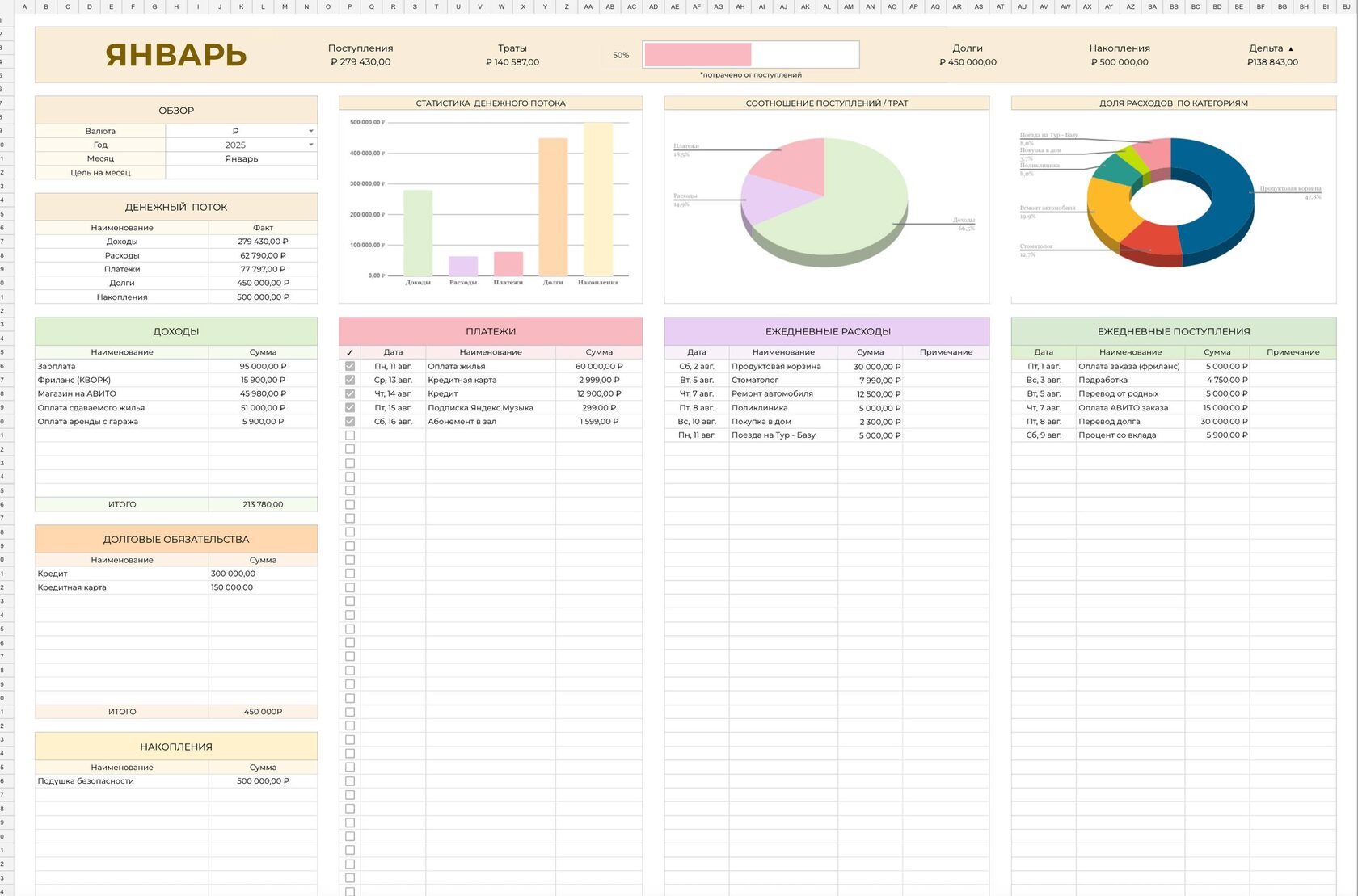 Excel
ExcelTwo structured templates in one VITON13 format: financial control and daily execution.
 Programmes
A direct question about a programme: what it covers, who it suits, and what happens when admission opens.
The same loop runs through every programme. It is deliberately short, because a method you cannot repeat from memory is not a method.
Use the AI Course Planner or choose one of the three programmes by task and price.
We receive your learner profile, confirm the next start and send the programme conditions in full.
Learning begins with your task being broken down, not with general theory.
Modules run together with assignments, and the work is reviewed rather than collected.
You finish with artefacts and a system you can keep using without the school.
We start with the task rather than the tool: what has to change after the learning, and how that change will be visible to someone who is not you.
We build a repeatable process — input, steps, criteria, control points — so the result stops depending on the mood of a single session.
We check the result against facts and against repeatability. Something that worked once is an anecdote; something that works on demand is a method.
We fix the result in a form that can be handed over: a file, a template, a system, a page. What cannot be handed over has not been learned.
The three disciplines share more than a timetable. Select a skill to see where it comes from and what it feeds into.
Where every programme starts: what has to change, for whom, and how the change becomes visible.
Roles, context, constraints and acceptance criteria — the difference between a lucky answer and a procedure.
Sources, cross-checks and the refusal to publish anything a model produced but nobody confirmed.
Routine taken apart and rebuilt as scenarios that keep running, with a stop condition you control.
A task turned into an image with stated constraints, so the result can be judged instead of merely liked.
One tone, one light, one material — held across a series rather than found once by accident.
Typography, colour, grid and rules of use: the part that makes a visual language reusable by other people.
The visual system meeting real content, real lengths and real screens without losing legibility.
What a person is actually looking for, and which page format is an honest answer to that query.
Queries collected and grouped so pages support each other instead of competing for the same words.
Sections, URLs and depth designed so the structure still holds after the site triples in size.
Coverage, reports and diagnosis: knowing why a page is missing before rewriting it a third time.
The point of the school: the three disciplines connected into one process that keeps producing without supervision.
The school suits those who have a task and want a method for it. It does not suit anyone looking for a shortcut, a guaranteed number or a course to watch in the background.
The school runs online: access to the material and to the practice does not depend on your city.
Every module leans on a real task of yours, or on a study case if you do not have one yet.
Results are discussed: what worked, what did not, and what to change on the next pass.
Each module leaves behind something usable — a template, a checklist, a structure — not only a recording.
Straight answers, including where the answer is that we do not know yet.
The date has not been announced. We write to everyone on the waiting list as soon as admission opens, and the waiting list carries no obligation.
Artificial Intelligence costs 1,300 RUB, AI Design costs 2,600 RUB and Website SEO costs 3,900 RUB.
No. The Artificial Intelligence programme is built to work from zero, but it does require you to actually do the practice.
Scattered advice does not add up to a system. The school gives a method, an order and a verification step, and you finish holding artefacts of your own.
The form of confirmation is decided when admission opens. We do not promise a document that does not exist yet.
No. Rankings and traffic depend on the market, the competition and the algorithms. We are accountable for the method and for your ability to repeat it without us.
All three courses can be added to the bag, and the Excel finance and task planners can also be requested at the price shown.
This page is available in Russian, English, Spanish, French and Hindi, with the same facts in each language.
Read the programme structure above, or write to the school directly — the same people answer both routes.
Use one of the official channels for programme questions, tool delivery or anything the page does not answer.