
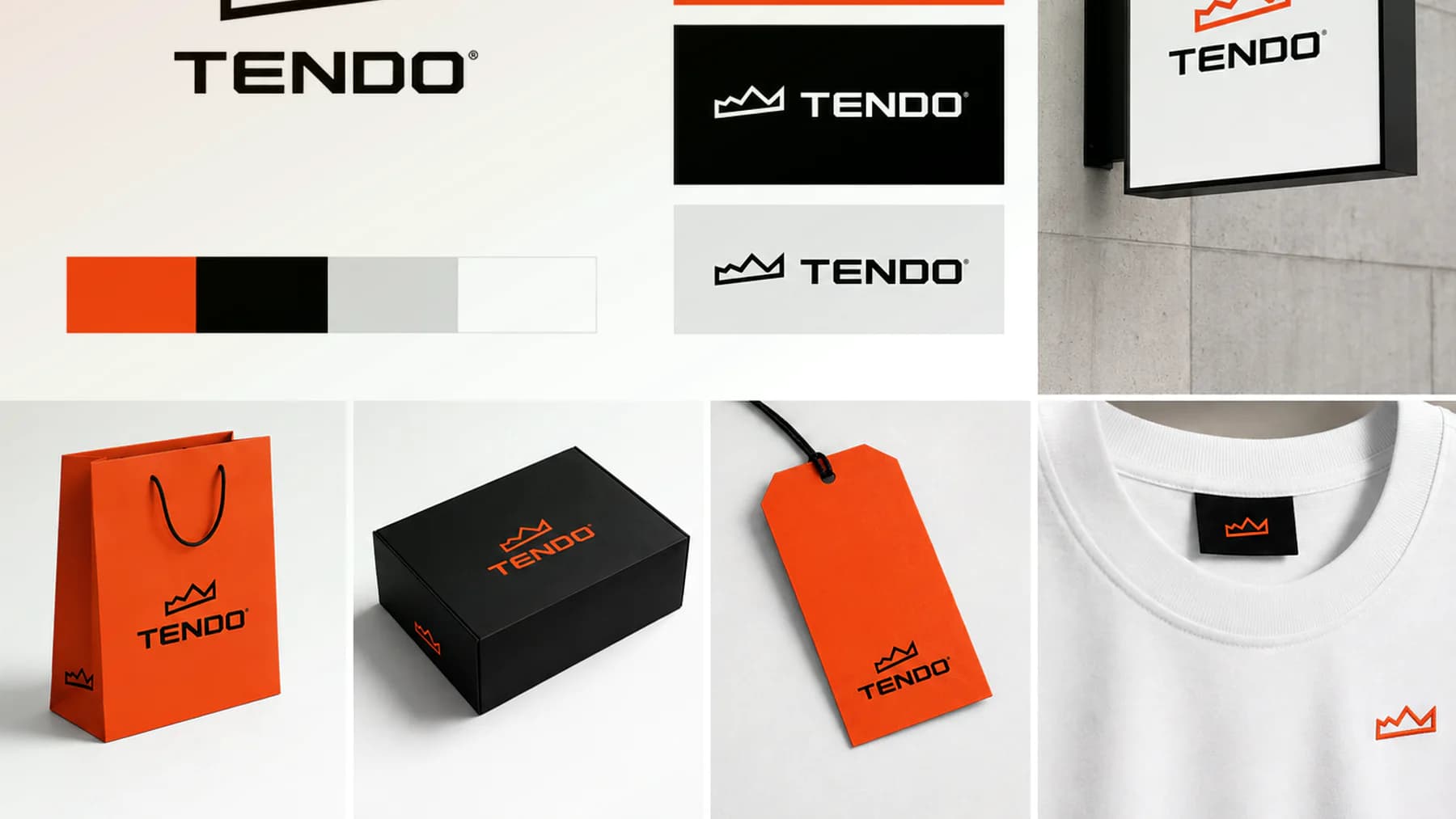
Answer in brief
2026 · Brand identity design · Brand identity design: Identity approval checks whether different teams can produce a website, proposal, campaign and social post that still feel related without copying one rigid template. The handover records token values,…
Verified facts
- Brand identity design
- A usable identity connects logo, typography, colour, imagery, layout principles and examples into one decision system rather than a folder of unrelated assets.
- Brand identity design · 2026
- Identity approval checks whether different teams can produce a website, proposal, campaign and social post that still feel related without copying one rigid template.
Brand identity design: define the decision before the deliverable — A usable identity connects logo, typography, colour, imagery, layout principles and examples; A usable identity connects logo, typography, colour, imagery; Brand identity design
Brand identity design: A usable identity connects logo, typography, colour, imagery, layout principles and examples into one decision system rather than a folder of unrelated assets. The buyer needs brand identity design without paying for open-ended creative exploration or. The project begins with a business decision, not a request for an attractive output. Name the user, the moment of use and the change the work must enable. The handover records token values, source files, licensed elements, do-and-do-not examples, governance rules and the owner who approves future extensions. Ask whether the detail changes the core result, an optional enhancement or a future phase; those three answers should not share one budget line. A usable identity connects logo, typography, colour, imagery, layout principles and examples into one decision system rather than a folder of unrelated assets. This also creates a clean record for future maintenance, localisation or expansion instead of forcing the next team to reconstruct intent. Identity approval checks whether different teams can produce a website, proposal, campaign and social post that still feel related without copying one rigid template. The buyer needs brand identity design without paying for open-ended. Brand identity design.
Brand identity design: Identity approval checks whether different teams can produce a website, proposal, campaign and social post that still feel related without copying one rigid template. Brand identity design closes with a coherent identity asset that survives real. The project begins with a business decision, not a request for an attractive output. Name the user, the moment of use and the change the work must enable. Brand identity design: decision owner. A usable identity connects logo, typography, colour, imagery, layout principles and examples into one decision system rather than a folder of unrelated assets. Use the finding to clarify the boundary between provider responsibility, client responsibility and third-party platform responsibility. Identity approval checks whether different teams can produce a website, proposal, campaign and social post that still feel related without copying one rigid template. If the condition cannot be tested yet, label it as a hypothesis and plan the smallest responsible validation rather than inventing certainty. A usable identity connects logo, typography, colour, imagery, layout principles and examples into one decision system rather than a folder of unrelated assets. The buyer needs brand identity design without paying for open-ended creative. Brand identity design.
Brand identity design: assemble a brief another team can act on — Identity approval checks whether different teams can produce a website, proposal, campaign; Identity approval checks whether different teams can produce; Brand identity design
Brand identity design: The handover records token values, source files, licensed elements, do-and-do-not examples, governance rules and the owner who approves future extensions. The buyer needs brand identity design without paying for open-ended creative exploration or ambiguous revision rounds. A usable brief records context as well as preference. Current materials, constraints, decision owners and forbidden directions remove expensive guessing before production starts. Brand identity design: available source material. The handover records token values, source files, licensed elements, do-and-do-not examples, governance rules and the owner who approves future extensions. Translate that evidence into a short acceptance statement; it is easier to approve a visible condition than an abstract promise. The handover records token values, source files, licensed elements, do-and-do-not examples, governance rules and the owner who approves future extensions. The buyer can then compare proposals on the result and risk they cover, rather than choosing from day rates that describe very different work. Identity approval checks whether different teams can produce a website, proposal, campaign and social post that still feel related without copying one rigid template. Brand identity design closes with a coherent identity asset that. Brand identity design.
Brand identity design: A usable identity connects logo, typography, colour, imagery, layout principles and examples into one decision system rather than a folder of unrelated assets. A usable brief records context as well as preference. Current materials, constraints, decision owners and forbidden directions remove expensive guessing before production starts. Brand identity design: scope boundary. A usable identity connects logo, typography, colour, imagery, layout principles and examples into one decision system rather than a folder of unrelated assets. Treat the sentence as a working constraint and ask who can verify it, when they can verify it and what would count as a failure. Brand identity design: decision owner. A usable identity connects logo, typography, colour, imagery, layout principles and examples into one decision system rather than a folder of unrelated assets. The aim is not more paperwork; it is fewer contradictory interpretations when the project reaches a costly decision point. A usable identity connects logo, typography, colour, imagery, layout principles and examples into one decision system rather than a folder of unrelated assets. Brand identity design.
Brand identity design: separate fixed scope from open questions — The handover records token values, source files, licensed elements, do-and-do-not examples, governance; The handover records token values, source files, licensed; Brand identity design
Brand identity design: Identity approval checks whether different teams can produce a website, proposal, campaign and social post that still feel related without copying one rigid template. Scope becomes credible when inclusions, exclusions and dependencies can be read in one place. Anything unresolved should carry an owner and a decision date. Brand identity design: handover owner. The handover records token values, source files, licensed elements, do-and-do-not examples, governance rules and the owner who approves future extensions. Connect the point to one named owner so feedback remains accountable instead of becoming an anonymous stream of preferences. Brand identity design: real user and context. Identity approval checks whether different teams can produce a website, proposal, campaign and social post that still feel related without copying one rigid template. A short written boundary gives both sides a fair way to identify a correction, a new preference and a genuinely new piece of work. Identity approval checks whether different teams can produce a website, proposal, campaign and social post that still feel related without copying one rigid template. Brand identity design.
Brand identity design: The handover records token values, source files, licensed elements, do-and-do-not examples, governance rules and the owner who approves future extensions. Scope becomes credible when inclusions, exclusions and dependencies can be read in one place. Anything unresolved should carry an owner and a decision date. A usable identity connects logo, typography, colour, imagery, layout principles and examples into one decision system rather than a folder of unrelated assets. Brand identity design closes with a coherent identity asset that survives real production. Keep a written decision log beside the production files; memory is unreliable once several reviewers and versions are involved. Brand identity design: available source material. The handover records token values, source files, licensed elements, do-and-do-not examples, governance rules and the owner who approves future extensions. The same record protects quality: important constraints survive personnel changes, busy review days and the temptation to approve only by appearance. Brand identity design: decision owner. A usable identity connects logo, typography, colour, imagery, layout principles and examples into one decision system rather than a folder of unrelated assets. Brand identity design.
Brand identity design: review progress without design-by-committee — A usable identity connects logo, typography, colour, imagery, layout principles and examples; Brand identity design: decision owner. A usable identity; Brand identity design
Brand identity design: Brand identity design: decision owner. A usable identity connects logo, typography, colour, imagery, layout principles and examples into one decision system rather than a folder of unrelated assets. Review works best at purposeful gates: direction, working version and acceptance candidate. Each gate should answer a different question instead of reopening every earlier choice. The handover records token values, source files, licensed elements, do-and-do-not examples, governance rules and the owner who approves future extensions. Brand identity design closes with a coherent identity asset that survives real production, named owners and. Place the item in the brief with its source and confidence level, so an estimate does not quietly treat a hypothesis as a fact. Brand identity design: scope boundary. A usable identity connects logo, typography, colour, imagery, layout principles and examples into one decision system rather than a folder of unrelated assets. A project is ready to close when the accepted result can be used without relying on an unwritten explanation from the person who made it. Brand identity design: real user and context. Identity approval checks whether different teams can produce a website, proposal, campaign and social post that still feel related without copying one rigid template. Brand identity design.
Brand identity design: Brand identity design: real user and context. Identity approval checks whether different teams can produce a website, proposal, campaign and social post that still feel related without copying one rigid template. Review works best at purposeful gates: direction, working version and acceptance candidate. Each gate should answer a different question instead of reopening every earlier choice. A usable identity connects logo, typography, colour, imagery, layout principles and examples into one decision system rather than a folder of unrelated assets. The buyer needs brand identity design without paying for open-ended creative exploration or. Ask whether the detail changes the core result, an optional enhancement or a future phase; those three answers should not share one budget line. Brand identity design: acceptance example. Identity approval checks whether different teams can produce a website, proposal, campaign and social post that still feel related without copying one rigid template. That is what turns a creative or technical purchase into a controlled operating decision instead of a hopeful hand-off. Brand identity design: scope boundary. A usable identity connects logo, typography, colour, imagery, layout principles and examples into one decision system rather than a folder of unrelated assets. Brand identity design.
Brand identity design: test the result in its real operating context — Identity approval checks whether different teams can produce a website, proposal, campaign; Brand identity design: real user and context. Identity; Brand identity design
Brand identity design: Brand identity design: available source material. The handover records token values, source files, licensed elements, do-and-do-not examples, governance rules and the owner who approves future extensions. A polished preview is not proof of fitness. The result must be checked in the channels, devices, formats, teams or customer situations where it will actually operate. The handover records token values, source files, licensed elements, do-and-do-not examples, governance rules and the owner who approves future extensions. The buyer needs brand identity design without paying for open-ended creative exploration or ambiguous revision rounds. Make the consequence visible in the milestone plan before work begins, not after a nearly finished version has created emotional attachment. Brand identity design: handover owner. The handover records token values, source files, licensed elements, do-and-do-not examples, governance rules and the owner who approves future extensions. That discipline preserves room for craft while keeping the commercial decision understandable to everyone funding or operating the result. Brand identity design: acceptance example. Identity approval checks whether different teams can produce a website, proposal, campaign and social post that still feel related without copying one rigid template. Brand identity design.
Brand identity design: Brand identity design: scope boundary. A usable identity connects logo, typography, colour, imagery, layout principles and examples into one decision system rather than a folder of unrelated assets. A polished preview is not proof of fitness. The result must be checked in the channels, devices, formats, teams or customer situations where it will actually operate. A usable identity connects logo, typography, colour, imagery, layout principles and examples into one decision system rather than a folder of unrelated assets. Translate that evidence into a short acceptance statement; it is easier to approve a visible condition than an abstract promise. A usable identity connects logo, typography, colour, imagery, layout principles and examples into one decision system rather than a folder of unrelated assets. Brand identity design closes with a coherent identity asset. When evidence and ownership travel together, approval becomes faster because the team knows which question is actually being answered. A usable identity connects logo, typography, colour, imagery, layout principles and examples into one decision system rather than a folder of unrelated assets. Brand identity design closes with a coherent identity asset that survives. Brand identity design.
Brand identity design: accept files, rights and ownership cleanly — The handover records token values, source files, licensed elements, do-and-do-not examples, governance; Brand identity design: available source material. The handover; Brand identity design
Brand identity design: Brand identity design: acceptance example. Identity approval checks whether different teams can produce a website, proposal, campaign and social post that still feel related without copying one rigid template. Handover is a product moment of its own. Editable sources, exports, rights, credentials, documentation and maintenance responsibility need explicit confirmation. The handover records token values, source files, licensed elements, do-and-do-not examples, governance rules and the owner who approves future extensions. Use this detail to remove one avoidable assumption from the estimate, because hidden assumptions usually return as schedule changes. Identity approval checks whether different teams can produce a website, proposal, campaign and social post that still feel related without copying one rigid template. The buyer needs brand identity design without paying. This also creates a clean record for future maintenance, localisation or expansion instead of forcing the next team to reconstruct intent. Identity approval checks whether different teams can produce a website, proposal, campaign and social post that still feel related without copying one rigid template. The buyer needs brand identity design without paying for open-ended. Brand identity design.
Brand identity design: Brand identity design: handover owner. The handover records token values, source files, licensed elements, do-and-do-not examples, governance rules and the owner who approves future extensions. Handover is a product moment of its own. Editable sources, exports, rights, credentials, documentation and maintenance responsibility need explicit confirmation. Brand identity design: decision owner. A usable identity connects logo, typography, colour, imagery, layout principles and examples into one decision system rather than a folder of unrelated assets. Connect the point to one named owner so feedback remains accountable instead of becoming an anonymous stream of preferences. The handover records token values, source files, licensed elements, do-and-do-not examples, governance rules and the owner who approves future extensions. Brand identity design closes with a coherent identity asset that survives real. If the condition cannot be tested yet, label it as a hypothesis and plan the smallest responsible validation rather than inventing certainty. A usable identity connects logo, typography, colour, imagery, layout principles and examples into one decision system rather than a folder of unrelated assets. The buyer needs brand identity design without paying for open-ended creative. Brand identity design.
Brand identity design: turn the 2026 project into the next useful action — A usable identity connects logo, typography, colour, imagery, layout principles and examples; Brand identity design: scope boundary. A usable identity; Brand identity design
Brand identity design: A usable identity connects logo, typography, colour, imagery, layout principles and examples into one decision system rather than a folder of unrelated assets. Brand identity design closes with a coherent identity asset that survives real production. The final meeting should close the present task and expose the next one. Record what shipped, what remains outside scope and which signal would justify another iteration. Brand identity design: available source material. The handover records token values, source files, licensed elements, do-and-do-not examples, governance rules and the owner who approves future extensions. Convert this requirement into a review example taken from normal use rather than a perfect presentation prepared only for approval. A usable identity connects logo, typography, colour, imagery, layout principles and examples into one decision system rather than a folder of unrelated assets. The buyer needs brand identity design without paying for. The buyer can then compare proposals on the result and risk they cover, rather than choosing from day rates that describe very different work. Identity approval checks whether different teams can produce a website, proposal, campaign and social post that still feel related without copying one rigid template. Brand identity design closes with a coherent identity asset that. Brand identity design.
Brand identity design: Identity approval checks whether different teams can produce a website, proposal, campaign and social post that still feel related without copying one rigid template. The buyer needs brand identity design without paying for open-ended creative exploration. The final meeting should close the present task and expose the next one. Record what shipped, what remains outside scope and which signal would justify another iteration. Brand identity design: scope boundary. A usable identity connects logo, typography, colour, imagery, layout principles and examples into one decision system rather than a folder of unrelated assets. Place the item in the brief with its source and confidence level, so an estimate does not quietly treat a hypothesis as a fact. Identity approval checks whether different teams can produce a website, proposal, campaign and social post that still feel related without copying one rigid template. Brand identity design closes with a coherent identity. The aim is not more paperwork; it is fewer contradictory interpretations when the project reaches a costly decision point. A usable identity connects logo, typography, colour, imagery, layout principles and examples into one decision system rather than a folder of unrelated assets. Brand identity design.
Practical checklist
- Brand identity design · decision owner: A usable identity connects logo, typography, colour, imagery, layout principles and examples into one decision system rather than a folder of unrelated assets. Brand identity design closes with a coherent identity asset that survives real production, named owners and a documented handoff. Identity approval checks whether different teams can produce a website, proposal, campaign and social post that still feel related without copying one rigid template. Brand identity design closes with a coherent identity asset that survives real production, named owners and a documented handoff.
- Brand identity design · real user and context: Identity approval checks whether different teams can produce a website, proposal, campaign and social post that still feel related without copying one rigid template. The buyer needs brand identity design without paying for open-ended creative exploration or ambiguous revision rounds. The handover records token values, source files, licensed elements, do-and-do-not examples, governance rules and the owner who approves future extensions. The buyer needs brand identity design without paying for open-ended creative exploration or ambiguous revision rounds.
- Brand identity design · available source material: The handover records token values, source files, licensed elements, do-and-do-not examples, governance rules and the owner who approves future extensions. Brand identity design closes with a coherent identity asset that survives real production, named owners and a documented handoff. A usable identity connects logo, typography, colour, imagery, layout principles and examples into one decision system rather than a folder of unrelated assets.
- Brand identity design · scope boundary: A usable identity connects logo, typography, colour, imagery, layout principles and examples into one decision system rather than a folder of unrelated assets. The buyer needs brand identity design without paying for open-ended creative exploration or ambiguous revision rounds. Identity approval checks whether different teams can produce a website, proposal, campaign and social post that still feel related without copying one rigid template.
- Brand identity design · acceptance example: Identity approval checks whether different teams can produce a website, proposal, campaign and social post that still feel related without copying one rigid template. Brand identity design closes with a coherent identity asset that survives real production, named owners and a documented handoff. The handover records token values, source files, licensed elements, do-and-do-not examples, governance rules and the owner who approves future extensions.
- Brand identity design · handover owner: The handover records token values, source files, licensed elements, do-and-do-not examples, governance rules and the owner who approves future extensions. The buyer needs brand identity design without paying for open-ended creative exploration or ambiguous revision rounds. Brand identity design: decision owner. A usable identity connects logo, typography, colour, imagery, layout principles and examples into one decision system rather than a folder of unrelated assets.
Questions and answers
Brand identity design: what should be ready before the first call — A usable identity connects logo, typography, colour, imagery, layout principles and examples into one decision system rather than; The handover records token values, source files, licensed elements, do-and-do-not examples, governance?
Brand identity design: A usable identity connects logo, typography, colour, imagery, layout principles and examples into one decision system rather than a folder of unrelated assets. Brand identity design closes with a coherent identity asset that survives real production, named owners and a. Make the consequence visible in the milestone plan before work begins, not after a nearly finished version has created emotional attachment. A usable identity connects logo, typography, colour, imagery, layout principles and examples into one decision system rather than a folder of unrelated assets. The buyer needs brand identity design without paying for open-ended creative exploration or. That is what turns a creative or technical purchase into a controlled operating decision instead of a hopeful hand-off. Brand identity design: Identity approval checks whether different teams can produce a website, proposal, campaign and social post that still feel.
Brand identity design: which details belong in the written brief — Identity approval checks whether different teams can produce a website, proposal, campaign and social post that still feel; A usable identity connects logo, typography, colour, imagery, layout principles and examples?
Brand identity design: The handover records token values, source files, licensed elements, do-and-do-not examples, governance rules and the owner who approves future extensions. Brand identity design closes with a coherent identity asset that survives real production, named owners and a documented handoff. Translate that evidence into a short acceptance statement; it is easier to approve a visible condition than an abstract promise. The handover records token values, source files, licensed elements, do-and-do-not examples, governance rules and the owner who approves future extensions. The buyer needs brand identity design without paying for open-ended creative exploration or ambiguous revision rounds. A short written boundary gives both sides a fair way to identify a correction, a new preference and a genuinely new piece of work. Brand identity design: The handover records token values, source files, licensed elements, do-and-do-not examples, governance rules and the owner who approves.
Brand identity design: how should scope changes be handled — The handover records token values, source files, licensed elements, do-and-do-not examples, governance rules and the owner who approves; Identity approval checks whether different teams can produce a website, proposal, campaign?
Brand identity design: Identity approval checks whether different teams can produce a website, proposal, campaign and social post that still feel related without copying one rigid template. Brand identity design closes with a coherent identity asset that survives real production, named owners and. Treat the sentence as a working constraint and ask who can verify it, when they can verify it and what would count as a failure. Identity approval checks whether different teams can produce a website, proposal, campaign and social post that still feel related without copying one rigid template. The same record protects quality: important constraints survive personnel changes, busy review days and the temptation to approve only by appearance. Brand identity design: Brand identity design: decision owner. A usable identity connects logo, typography, colour, imagery, layout principles and examples into.
Brand identity design: who should approve each milestone — A usable identity connects logo, typography, colour, imagery, layout principles and examples into one decision system rather than; The handover records token values, source files, licensed elements, do-and-do-not examples, governance?
Brand identity design: A usable identity connects logo, typography, colour, imagery, layout principles and examples into one decision system rather than a folder of unrelated assets. Use this detail to remove one avoidable assumption from the estimate, because hidden assumptions usually return as schedule changes. Brand identity design: decision owner. A usable identity connects logo, typography, colour, imagery, layout principles and examples into one decision system rather than a folder of unrelated assets. The buyer can then compare proposals on the result and risk they cover, rather than choosing from day rates that describe very different work. Brand identity design: Brand identity design: real user and context. Identity approval checks whether different teams can produce a website, proposal.
Brand identity design: what proves the result is ready for use — Identity approval checks whether different teams can produce a website, proposal, campaign and social post that still feel; Brand identity design: decision owner. A usable identity connects logo, typography, colour?
Brand identity design: The handover records token values, source files, licensed elements, do-and-do-not examples, governance rules and the owner who approves future extensions. Connect the point to one named owner so feedback remains accountable instead of becoming an anonymous stream of preferences. Brand identity design: available source material. The handover records token values, source files, licensed elements, do-and-do-not examples, governance rules and the owner who approves future extensions. The aim is not more paperwork; it is fewer contradictory interpretations when the project reaches a costly decision point. Brand identity design: Brand identity design: available source material. The handover records token values, source files, licensed elements, do-and-do-not examples, governance.