
Estimate intake
Structure drawings, specifications, client messages, deadlines, and missing inputs before an estimator starts work.
AI Contractor OS reduces administrative relay around construction projects while estimators, engineers, and managers retain authority over technical and commercial decisions.
Structure drawings, specifications, client messages, deadlines, and missing inputs before an estimator starts work.
Turn visit notes, photos, voice messages, and meeting records into assigned actions and status updates.
Keep approvals, document versions, purchase requests, and delivery exceptions in a traceable queue.
A focused review of the current process, data, integrations, risks, and measurable automation opportunity.
One live workflow is connected, tested with the team, and placed behind clear human approval controls.
Ongoing monitoring, prompt and workflow improvement, support, and expansion into the next process.
We map the real workflow, exceptions, data sources, decision rights, and current performance baseline.
We define the integrations, approval gates, security boundaries, and the first measurable use case.
The workflow runs with a limited team, traceable outputs, and human review before critical actions.
After the KPI review, we stabilize the system and expand only where the evidence supports it.
For engineering, fit-out, installation, and construction teams with several projects running in parallel.
For companies where the owner still coordinates estimates, sites, purchasing, and client updates personally.
No. It prepares and structures inputs, while qualified people approve estimates, technical choices, and project commitments.
Yes. We normally begin around the existing CRM, storage, spreadsheets, and accounting system.

Map the current workflow, data, risks, approval gates, and the first measurable pilot.
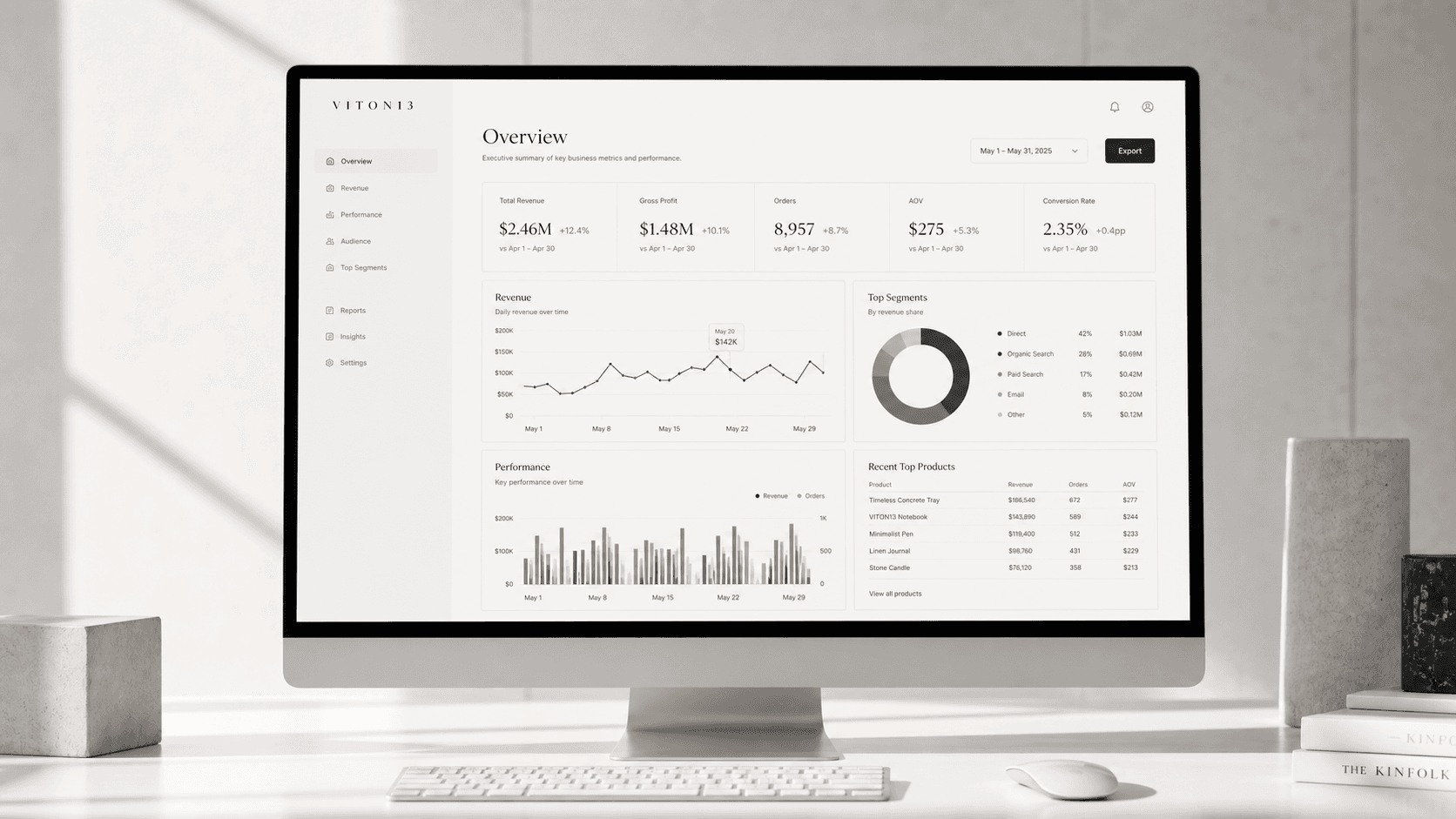
Use structured research and operational baselines before deciding what should be automated.
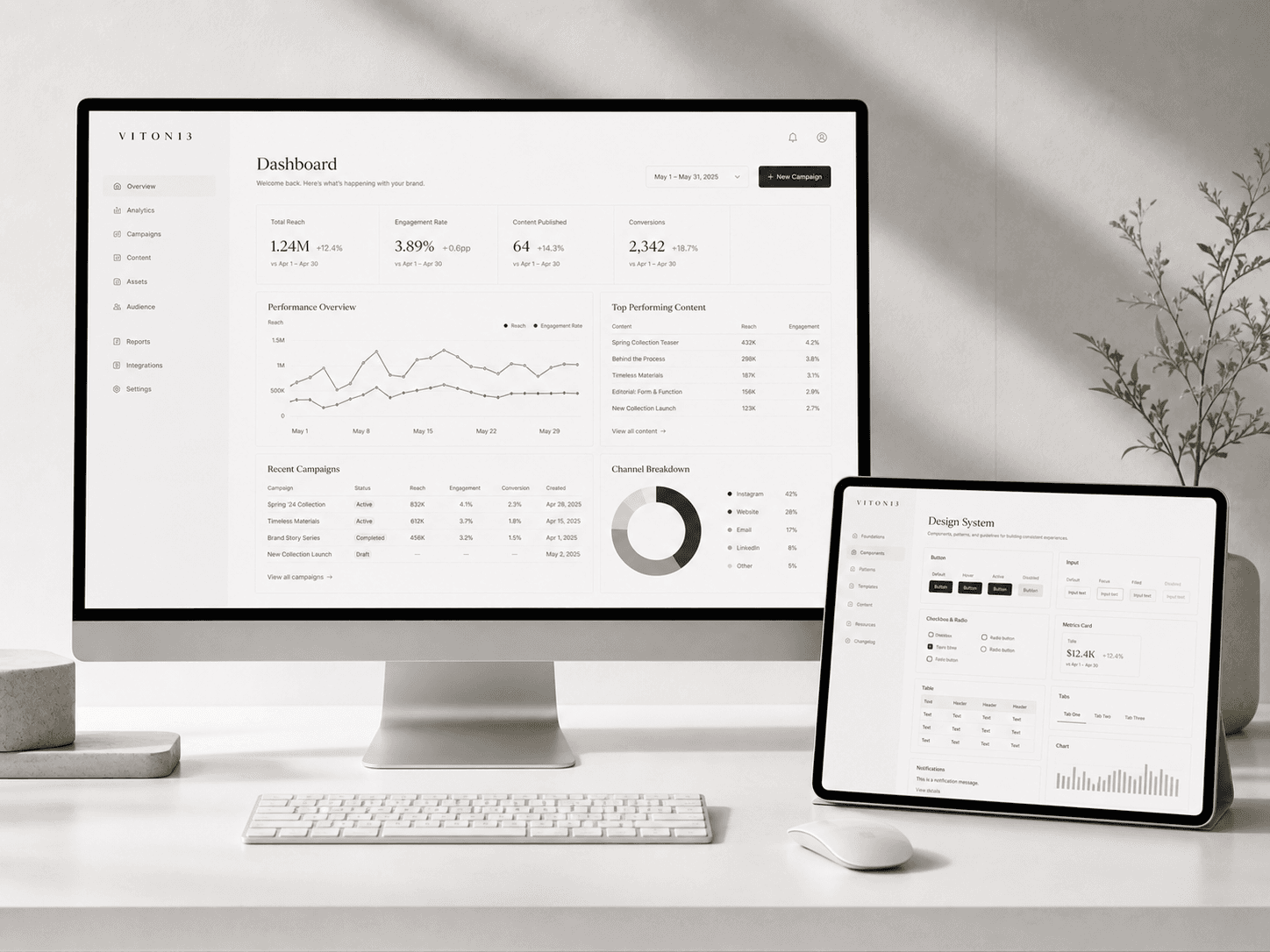
Follow the systems, governance patterns, and market signals shaping applied AI.