
01
SignalRequest intake
Capture location, asset, symptoms, urgency, photos, and contact details from calls, chats, and forms.
AI Service Dispatcher supports maintenance and field-service teams with intake, triage, scheduling, and reporting while people approve safety-critical priorities and assignments.
or order through VITON ID with 13% off ↗The first response, the quality of the questions, and the certainty of the next step already tell the client whether the operator is in control.
When requests arrive through calls, chats, and individual managers, the dispatcher spends the day reconstructing context. Technicians travel without the right symptom history, clients ask for status, and the final report has to be rebuilt after the work is done.
AI Service Dispatcher creates one calm intake layer. It gathers the evidence, proposes a category and skill set, exposes urgent exceptions, and prepares the closure record. Safety and assignment authority remain explicit throughout.
Good automation does not hide the dispatcher. It gives the dispatcher command of the queue.
Capture location, asset, symptoms, urgency, photos, and contact details from calls, chats, and forms.
Suggest priority, required skill, parts, and an available technician using approved operational rules.
A responsible person reviews the critical commercial, technical, safety, or compliance decision.
Collect work notes, evidence, time, parts, and customer confirmation into a consistent service record.
Capture location, asset, symptoms, urgency, photos, and contact details from calls, chats, and forms.
Suggest priority, required skill, parts, and an available technician using approved operational rules.
Collect work notes, evidence, time, parts, and customer confirmation into a consistent service record.
Adjust the current workload. The model estimates time that could return to the team if the pilot reaches the selected reduction level.
Directional model, not a savings guarantee. A paid audit validates volumes, exceptions, integration cost, quality requirements, and the real baseline before any investment decision.
Validate this estimateA working session that picks one process worth automating and scopes it honestly.
A focused review of one process: where it loses time, what data exists, and whether automating it is worth doing at all. The same audit runs for every vertical in this lane.
One live workflow is connected, tested with the team and placed behind human approval. The engagement shape is identical across the AI lane; what changes is the process being automated.
Monitoring, tuning and expansion once the pilot is live. Runs as a monthly cycle; either side can end it with 30 days notice.
The Production Pilot on a priority schedule, when the deadline is external.
In short
AI Service Dispatcher for Building & Equipment Care starts at $90, delivered in 3-15 days.
Receives service requests, structures symptoms, suggests priority, assigns the right technician, and prepares status reporting.
The entry package, AI Use-Case Session, costs $90 and covers 90-minute working session, one process picked and scoped.
The largest package, Production Pilot Express, is $890.
Ordering through VITON ID takes 13% off any package, so $90 becomes $78.
Delivered: request intake, triage and assignment, closure and reporting.
For HVAC, electrical, fire-safety, elevator, equipment, and building-service teams.
A focused review of one process: where it loses time, what data exists, and whether automating it is worth doing at all.
Delivery runs 3-15 days from the agreed brief.
The exact price is fixed in writing after a short brief, before any work starts.
Prices checked 5 September 2026.
At a glance
| Package | Price | With VITON ID |
|---|---|---|
| AI Use-Case Session | $90 | $78 |
| AI Workflow Audit | $150 | $131 |
| Production Pilot | $650 | $566 |
| Managed AI Operations | $230/mo | — |
| Production Pilot Express | $890 | $774 |
We map the real workflow, exceptions, data sources, decision rights, and current performance baseline.
We define the integrations, approval gates, security boundaries, and the first measurable use case.
The workflow runs with a limited team, traceable outputs, and human review before critical actions.
After the KPI review, we stabilize the system and expand only where the evidence supports it.
For HVAC, electrical, fire-safety, elevator, equipment, and building-service teams.
For operators managing many assets, locations, technicians, and response commitments.
Safety-critical categories should follow explicit rules and human escalation. The system supports triage; it does not remove operational responsibility.
Yes. The pilot can use a mobile-friendly web flow or connect to the communication tools the team already uses.

Map the current workflow, data, risks, approval gates, and the first measurable pilot.
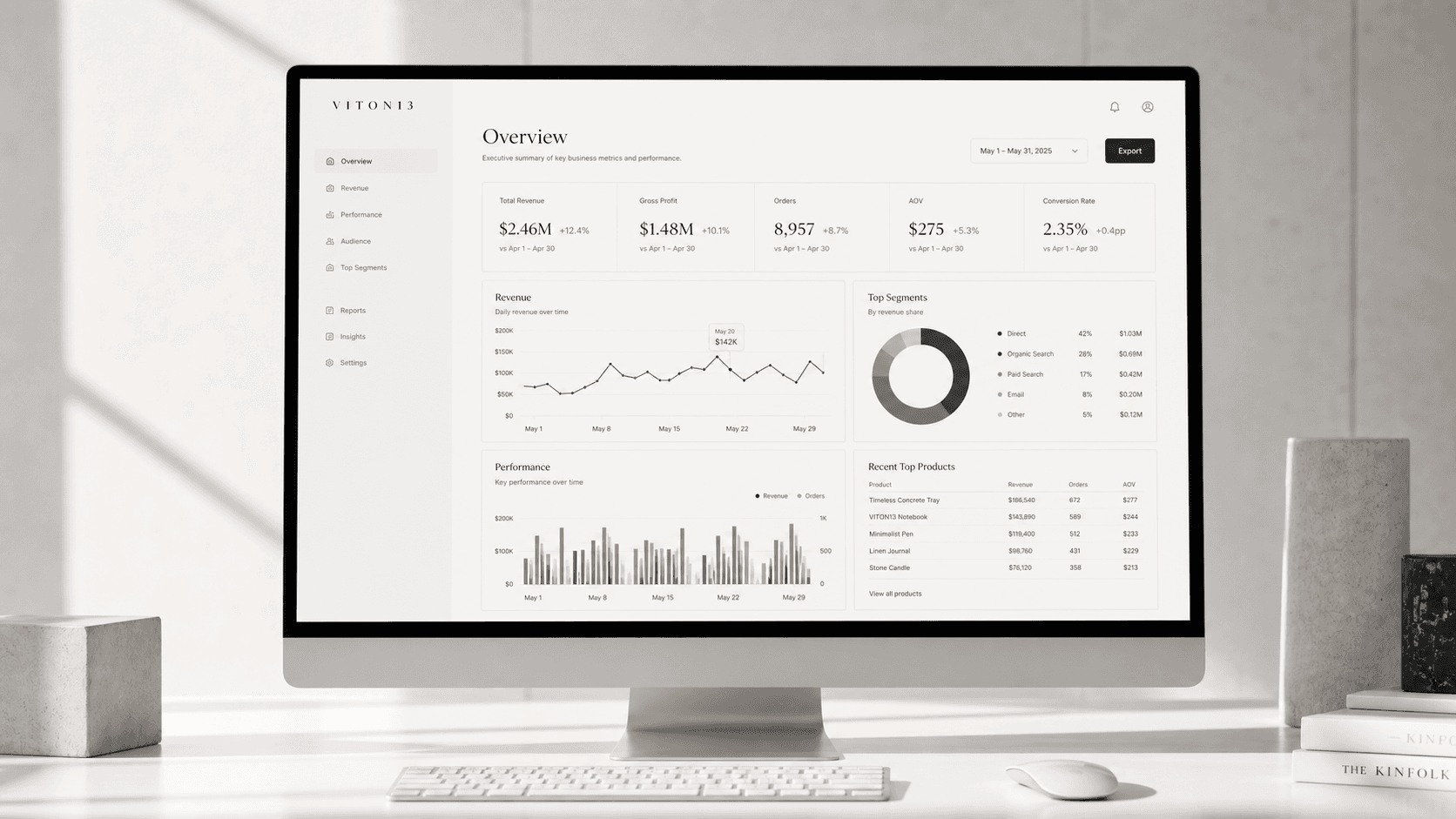
Use structured research and operational baselines before deciding what should be automated.
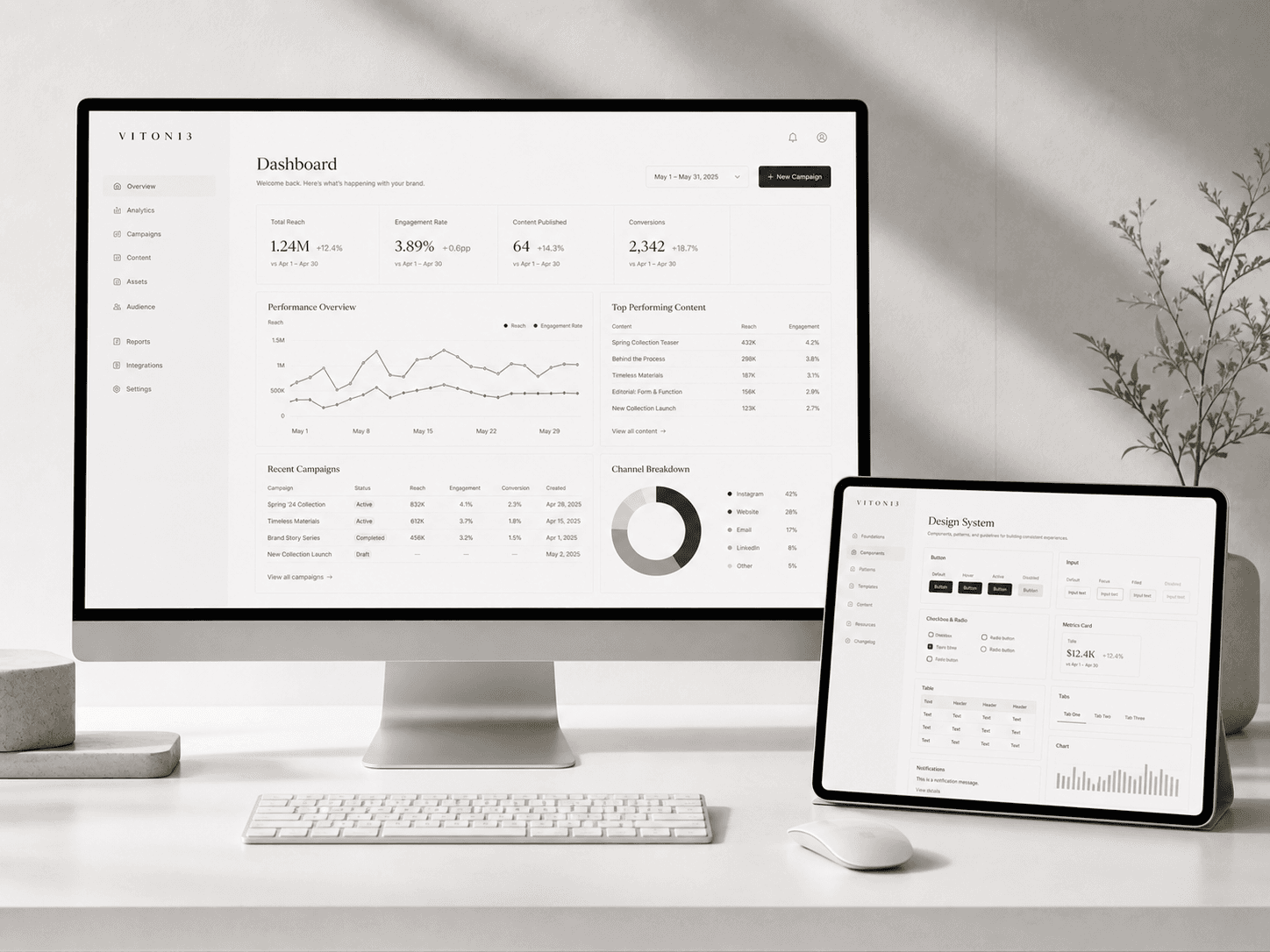
Follow the systems, governance patterns, and market signals shaping applied AI.
Pick a package, say what you need, and the request comes to us with the package attached. No account needed.
The request opens a private conversation with the studio inside your cabinet: the package, the brief and every reply stay in one thread, with email notifications. Every package ordered through VITON ID costs 13% less, and the discount is written into the order card.
−13% with VITON ID13% off any package, fixed in the order card
No account yet? Creating a VITON ID takes a minute and the order continues where you left it.No account and no waiting on a form: what you write lands in the studio's cabinet the moment you send it, and the reply appears right here and in your email.
Reply in 1 to 13 minutesDuring studio hours. A message sent at night is answered first thing in the morning.AI Service Dispatcher for Building & Equipment Care is most useful when it is treated as a working system rather than an isolated deliverable. The goal is to connect requests, triage, technicians with a visible business outcome, a controlled process and files or tools that remain usable after launch.

The first response, the quality of the questions, and the certainty of the next step already tell the client whether the operator is in control.
When requests arrive through calls, chats, and individual managers, the dispatcher spends the day reconstructing context. Technicians travel without the right symptom history, clients ask for status, and the final report has to be rebuilt after the work is done.
AI Service Dispatcher creates one calm intake layer. It gathers the evidence, proposes a category and skill set, exposes urgent exceptions, and prepares the closure record. Safety and assignment authority remain explicit throughout.
Good automation does not hide the dispatcher. It gives the dispatcher command of the queue.
The exact scope depends on the brief, but the working structure below shows the parts we normally connect into one delivery line.
Capture location, asset, symptoms, urgency, photos, and contact details from calls, chats, and forms.
Suggest priority, required skill, parts, and an available technician using approved operational rules.
Collect work notes, evidence, time, parts, and customer confirmation into a consistent service record.
Every stage has an observable output. Feedback is tied to the commercial or operational objective, so approval does not depend on taste alone.
We map the real workflow, exceptions, data sources, decision rights, and current performance baseline.
We define the integrations, approval gates, security boundaries, and the first measurable use case.
The workflow runs with a limited team, traceable outputs, and human review before critical actions.
After the KPI review, we stabilize the system and expand only where the evidence supports it.
The strongest fit is a team with a real decision, a responsible owner and access to the inputs required to validate the work.
For HVAC, electrical, fire-safety, elevator, equipment, and building-service teams.
For operators managing many assets, locations, technicians, and response commitments.
Published prices are starting points. The final scope depends on volume, integrations, research depth, number of decision-makers and the level of launch support.
A working session that picks one process worth automating and scopes it honestly.
A focused review of one process: where it loses time, what data exists, and whether automating it is worth doing at all. The same audit runs for every vertical in this lane.
One live workflow is connected, tested with the team and placed behind human approval. The engagement shape is identical across the AI lane; what changes is the process being automated.
Monitoring, tuning and expansion once the pilot is live. Runs as a monthly cycle; either side can end it with 30 days notice.
The Production Pilot on a priority schedule, when the deadline is external.